

The Role of a Gutter Company in Improving Home Energy Efficiency and Moisture Control
Managing roof runoff effectively protects a home's structural integrity while optimizing internal thermal performance across every season. Hiring a professional gutter contractor allows homeowners to divert thousands of gallons of rainwater safely away from exterior walls, delicate foundations, and basement spaces. Beyond basic water collection, well-designed drainage systems prevent attic insulation dampness, wall rot, and foundation settling that silently drain household thermal efficiency. According to This Old House, the typical home has around 200 feet of gutters. Investing in expert installation and ongoing maintenance ensures these vital drainage channels regulate exterior moisture levels, shield home insulation, and maintain comfortable, energy-efficient living quarters year-round.
Preventing Foundation Saturation With Strategic Drainage
Uncontrolled roof runoff pooling directly around basement walls creates immense hydrostatic pressure that threatens structural concrete over time. Partnering with a skilled gutter contractor ensures that rainwater channels are sloped correctly to direct water toward extended downspout discharge locations. According to experts, saturated soil around a home transfers ground chill into basement walls, driving up winter heating demands substantially. Keeping perimeter soil dry reduces thermal bridging, prevents subterranean basement wall cracking, and stops water from seeping into lower-level living spaces. Installing properly sized seamless troughs channels heavy downpours safely away, preserving foundational stability, protecting basement insulation, and maintaining stable temperature regulation across your entire lower home layout.
Protecting Attic Insulation From Moisture Infiltration
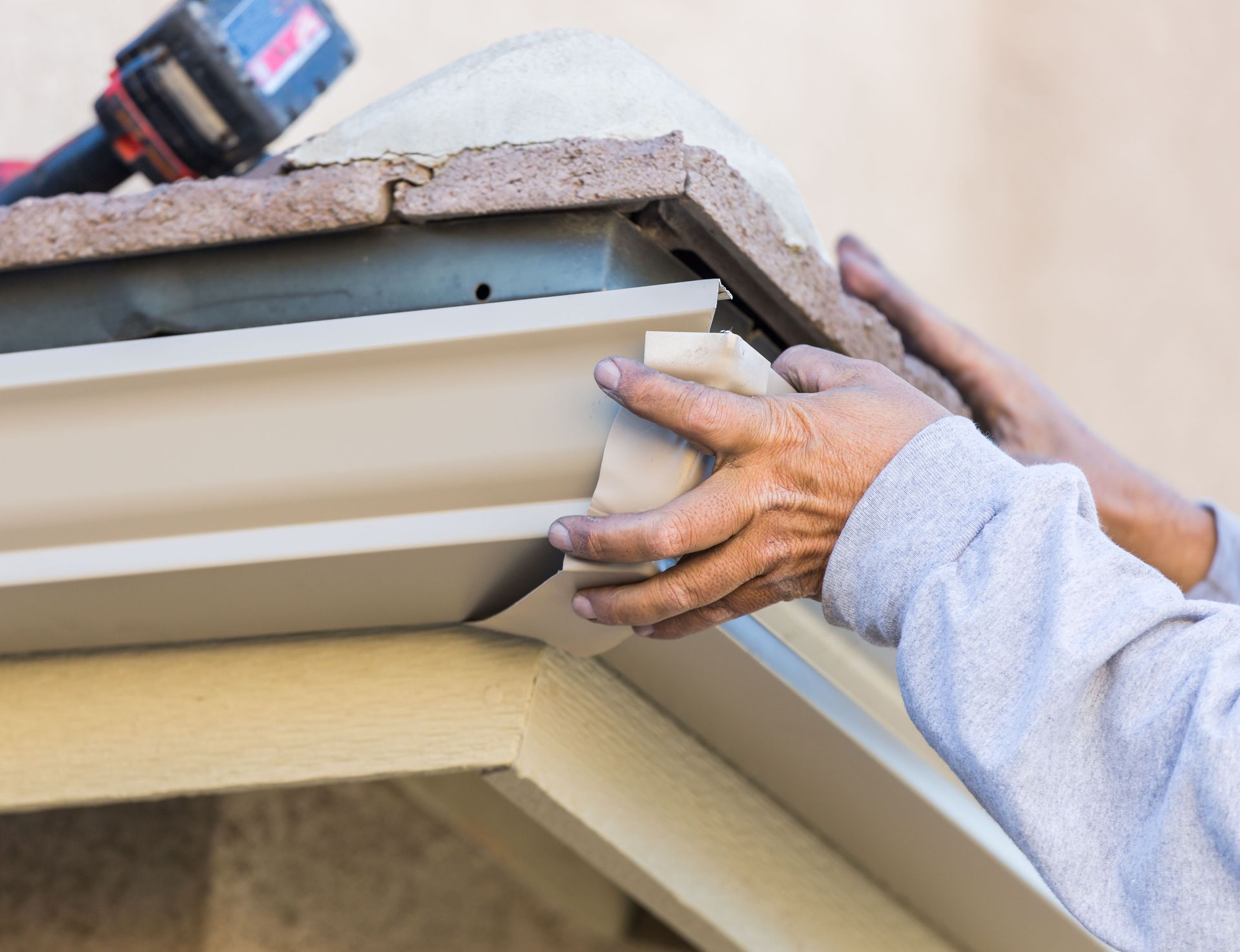
Overflowing water caused by clogged or sagging drainage channels often backs up beneath roof shingles, soaking wooden fascia boards and attic insulation. Consulting an experienced gutter contractor helps homeowners identify hidden soffit rot and moisture intrusion long before interior ceilings show water stains. Wet attic insulation loses its resistance value rapidly, allowing expensive indoor heating or cooling to escape through the roof framing. Technicians realign troughs with an uneven pitch, replace rotted mounting boards, and install drip edges to keep water moving smoothly off roof lines. Keeping attic insulation completely dry preserves its thermal barrier performance, drastically lowering monthly heating costs during freezing winter months.
Diverting Heavy Rainfall From Exterior Wall Cavities
When rainwater cascades over clogged trough edges, it saturates exterior siding, brick mortar, and window framing repeatedly during severe storms. Engaging a certified gutter contractor ensures that exterior drainage networks capture high-velocity rainfall before water penetrates outer building envelopes. Moisture trapped inside exterior wall cavities degrades fiberglass insulation, rots structural timber studs, and encourages hazardous interior mold growth. Damp wall cavities conduct outdoor cold temperatures directly into living rooms, forcing heating systems to run continuously to maintain warmth. Installing custom seamless aluminum channels shields exterior walls from cascading rainwater, keeping wall cavities dry, structurally sound, and thermally efficient throughout rainy seasons.
Eliminating Ice Dams With Heating Cable Integration
Freezing winter weather creates massive ice dams along roof eaves when trapped water freezes, backing up under shingles and damaging roof decking. Scheduling a qualified gutter contractor enables homeowners to install specialized self-regulating heating cables within drainage channels and downspouts. Radiant heating elements keep drainage pathways completely clear of ice blockages, allowing melting snow to flow freely off roof surfaces during winter freeze cycles. Preventing ice dam formation stops water from penetrating attic insulation spaces and causing severe energy loss. Installing integrated eave heating systems preserves structural roof components, protects upper-floor insulation layers, and maintains interior thermal comfort during harsh freeze events.
Installing Advanced Guard Systems for Continuous Flow
Accumulated leaves, pine needles, and roof grit quickly block water movement, causing heavy overflow that damages surrounding building envelopes. Utilizing a reliable gutter contractor allows property owners to fit high-performance micro-mesh guards over existing open aluminum channels. Protective covers allow heavy rainwater to enter drainage systems while deflecting organic yard debris away naturally. Eliminating organic blockages prevents standing water from freezing inside metal troughs during winter, which can warp fascia boards and create gaps in building insulation. Equipping your home with durable leaf barriers ensures uninterrupted water drainage, reduces routine maintenance hazards, and protects exterior insulation systems from unexpected overflow damage.
Regulating Indoor Humidity Through Foundation Protection
Excess moisture surrounding a home's exterior foundation eventually migrates upward into lower living zones, dramatically increasing interior humidity levels. Hiring a dedicated gutter contractor to install underground drainage extensions helps keep surrounding soil dry, preventing moisture from entering basements or crawl spaces. Humid indoor air requires significantly more electrical energy to cool during hot summer months, forcing air conditioning units to work much harder. Maintaining dry crawl spaces prevents damp air from rising into primary living spaces, optimizing HVAC performance and lowering electricity consumption. Proper water redirection stabilizes indoor relative humidity, creating a fresher, healthier, and far more energy-efficient indoor living environment.
Mitigating Thermal Bridging Through Fascia Preservation
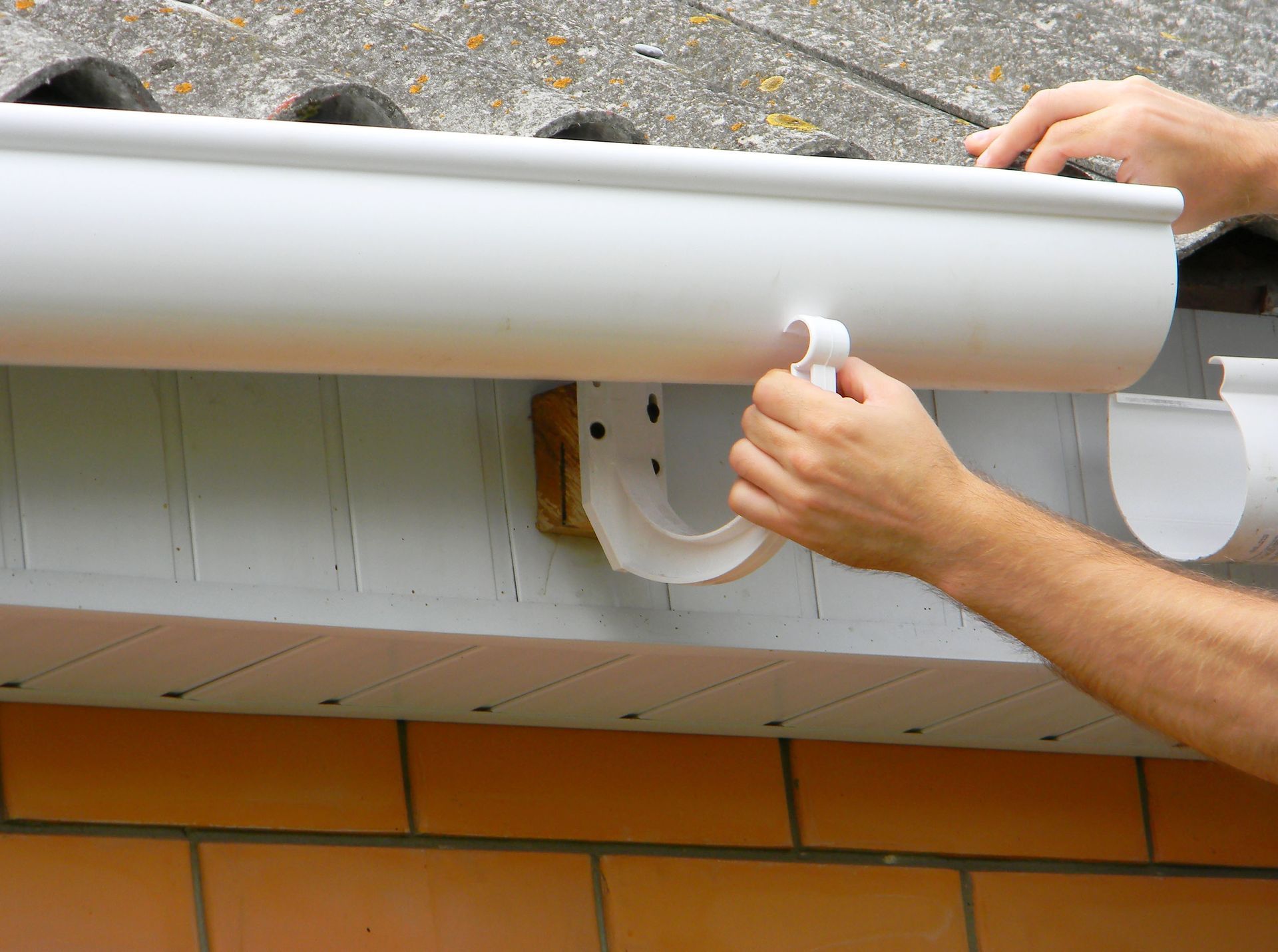
Water sloshing over loose rear trough edges rots wooden fascia boards, breaking the tight seal between roof lines and exterior wall insulation. Scheduling an inspection with a local gutter technician allows technicians to repair damaged trim boards and secure loose hanging brackets before structural gaps widen. Rotted fascia boards create thermal bridges, allowing icy winter drafts to enter attic cavities and conditioned air to escape freely. Technicians install wide flashing aprons that channel water directly into troughs without touching supporting woodwork. Preserving fascia board integrity maintains a sealed building envelope, preventing cold air infiltration and optimizing total household energy conservation.
Sizing Custom Downspouts for Maximum Volume
Standard residential downspouts often struggle to manage water volume during intense summer thunderstorms, leading to sudden overflow along critical exterior wall sections. Working with a professional gutter technician ensures your home features oversized commercial downspouts capable of clearing massive rain volumes rapidly. Proper sizing prevents water from backing up, spilling over trough edges, and soaking surrounding exterior insulation panels. Technicians calculate roof surface area and pitch angles to determine exact downspout capacity requirements for optimal performance. Installing high-capacity downspouts prevents localized flooding around foundation boundaries, keeping structural walls dry and preserving total insulation performance during heavy precipitation events.
Mitigating Exterior Siding Decay and Paint Peeling
Constant water splashing off clogged troughs strips paint, rots wooden siding, and degrades exterior insulation boards on residential facades over time. Reaching out to a knowledgeable gutter technician helps homeowners stop water splashback by installing deep, seamless troughs engineered for extreme rainfall events. Preserving exterior siding keeps protective thermal wraps intact, preventing wind-driven rain from penetrating inner wall structures. Dry exterior siding reflects solar heat effectively in summer while holding interior warmth during winter cold snaps. Protecting exterior wall finishes through proper water management extends siding lifespan, reduces maintenance repainting expenses, and preserves total building insulation performance across all seasons.
Minimizing Landscape Erosion Near Foundation Lines
Heavy rain falling directly from roof eaves erodes topsoil, carves deep trenches, and destroys expensive landscape grading around primary residential structures. Consulting an expert gutter technician enables homeowners to position downspout discharge boots precisely, channeling water toward natural slope drainage paths or rain gardens. Preserving topsoil contours prevents rainwater from pooling near foundation walls where it can saturate basement insulation. Proper landscape protection ensures that protective soil barriers direct surface runoff safely away from structural boundaries during intense storms. Preserving surrounding soil stability protects buried utility lines, prevents foundation settling, and supports long-term structural energy efficiency effortlessly.
Protecting your home from relentless rainwater intrusion requires well-maintained drainage infrastructure designed to preserve building envelopes and energy efficiency. Partnering with a skilled gutter technician ensures your property features properly sloped channels, oversized downspouts, protective guards, and reliable ice dam prevention systems. Effective moisture control keeps attic insulation dry, protects foundation walls from frost heave, and stabilizes indoor relative humidity throughout changing seasons. Eliminating water saturation around structural walls prevents costly insulation degradation and reduces annual heating and cooling expenses. Take proactive steps today to secure expert water management, protecting your property value and creating a dry, comfortable, energy-efficient home for years to come.
Are you seeking a professional gutter contractor to do some work on your home in New Hampshire and the surrounding areas? When it comes to gutters, the American Gutter Company LLC has you covered! Contact us today to request a service estimate!


Share On: